Be yourself; Everyone else is already taken.
— Oscar Wilde.
This is the first post on my new blog. I’m just getting this new blog going, so stay tuned for more. Subscribe below to get notified when I post new updates.
Be yourself; Everyone else is already taken.
— Oscar Wilde.
This is the first post on my new blog. I’m just getting this new blog going, so stay tuned for more. Subscribe below to get notified when I post new updates.
As technology continues to evolve and our society becomes increasingly reliant on the Internet, every aspect of our lives are constantly being impacted and broadcasted by subtle uses of media. Social Media platforms are infiltrating our everyday lives and social interactions in ways that online users are not even realizing. In his novel, Greengard explains how advancing technology has evolved our society, rewiring the ways in which we go about our daily lives. The interconnected technological world recognizes relationships and patterns that are too convoluted for the human mind to understand, developing new levels of information and knowledge (1). In turn though, there comes unwanted consequences with the gains in technology. With the growing array of smart devices, the Internet of Things continues to be a “hotbed for hacking, data breaches, malware, cyber attacks, snooping, and a myriad of other problems” (1). Therefore, the more our world becomes impacted by the Internet of Things devices, the more our notion of security and privacy is in question and the boundaries between human and machine intelligence blurs. The future powerful nature of the Internet and Social Media platforms in our life initiates conversations regarding the need for contemporary legislation standards for the Internet. With the modern digital age allowing access to every aspect of our lives and our constant posting of user-generated content on Social Media, the legal system struggles to match the rapidity of our digital technology, demonstrating an inadequacy in current applicable legal doctrine. The nightmare of the “smart house” that is joked about amongst various film and television platforms, will eventually come to life as our utilization of and reliance on the Internet and Social Media platforms continues to increase rapidly. From taking this course, I have recognized my reliance on Social Media technologies and actively have attempted to decrease my time online. I never before realized the constant breaches in privacy and the surveillance tactics that I now feel while using Social Media platforms and the Internet. Through all of our assignments, debates, and discussions, I have learned exponentially more about the future implications of our digitizing society and the problems associated with such. Social Media is changing everyday, and these platforms will continue to evolve with our continued reliance on our devices. I am happy to announce that I have deleted some Social Media platforms, like Instagram and Tik Tok, since taking this course, and I hope to continue declining my usage of all platforms. Thank you so much for listening and actively staying up-to-date with my blog posts! I hope you’re well and stay healthy and safe during this unprecedented time.
Works Cited
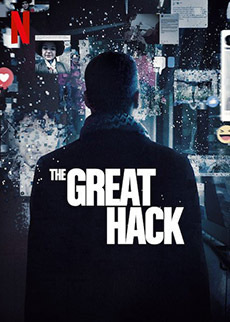
What exactly is the concept of Big Data? Who is accessing and analyzing this data? Where is this Big Data being stored? Will I ever truly be alone online? Big Data fully impacts our world in ways that are unexplainable and unimaginable, affecting how online users act and interact with others on every platform. There are many misconceptions related to this topic, but simply Big Data applies to an extensive amount of data that is stored without using traditional computing (1). In general terms, Big Data is the collection of large quantities of digital data that is developed and transformed into a method to analyze, to manage, and to visualize large datasets in order to produce a better understanding of our online world. This concept requires highly advanced computing technologies in order to collect and to analyze large datasets and in turn, predict new trends online and develop business strategies to produce specific goals. Due to the plethora of data collected online by technology companies, both structured and unstructured, businesses utilize Big Data in order to stay competitive and learn new information about consumers and their products (1). Big Data collection is directly correlated to online activity; everything an individual does online generates a personal database filled with greater levels of information and knowledge (2). This production of a “rich data generating environment” concurrently has gains, but, at the same time, can have plenty of unintended consequences and potential breaches of privacy and security (2). In the Netflix production entitled “The Great Hack,” this documentary explores how a data company, Cambridge Analytica, used Big Data during the 2016 US presidential election to collect data points on American voters (3). In other words, this technology company showcased the apparent dark side of using the Internet and Social Media platforms, displaying how our online experiences are all predetermined in a dystopian web of our own data (4). This documentary uses the Cambridge Analytica scandal as a framework to show the negatives associated with Big Data and how this technology potentially undermines our individual liberty online (4). Due to the competitive nature of the business world, businesses are all using Big Data strategies, like Cambridge Analytica, to increase efficiency and make better business decisions to analyze patterns of consumer behaviors and tailor advertisements to individuals. In regards to the controversial debate of privacy and security implications of Big Data, the government continues to use this technology to detect and to determine illegal activities done online. From the consumer perspective though, Big Data is mostly considered a con, which I agree with, due to the current prevalent cybersecurity risk. Big Data has the ability to completely take over and run our lives as this technology is heavily involved in every single action we participate in online. As demonstrated by “The Great Hack additionally, the Internet is now considered a tracking system, sacrificing our rights to privacy and security for the advancements of businesses and corporations (3). Big Data has the ability to run the world. This concept is still a very ambiguous idea that is hard to grasp and understand, as is our privacy implications online. Although I now know more about this concept of Big Data, that does not mean that I am going to stop using the Internet or Social Media platforms. This discussion has just made me more aware of the impact of leaving data trails online and the importance of exercising privacy rights as our world becomes increasingly digitized.
Through the development of Social Media platforms, self-branding techniques, and Web 2.0 technologies, the twenty-first century celebrity can be defined as an influencer. As our society evolves to become increasingly digitized and reliant on Social Media platforms, the rise of Generation Z has initiated this new type of celebrity that appears to produce content that is relatable and is not censored by corporations. What exactly is an ‘influencer,’ and what type of following does an individual need to inherit in order to achieve this title of a micro-celebrity? An online influencer is a marketing term, in which an individual is given the means to speak directly to a large audience with a sense of authenticity (1). This idea of an influencer means allowing everyday individuals to gain a following simply through their user-generated content online. In order for an individual to achieve this title, an influencer contains the agency to influence its niche following’s decision-making and build a reliable and authentic reputation for their knowledge (2). Influencers appear on various Social Media platforms, and each have a unique purpose into why he or she is pursuing this title and profession. As John Comontinski discusses in his TedTalk, individuals become influencers for distinct reasons, so these celebrities can be separated into categories (1). Therefore, some influencers, like Logan Paul, may have wanted this position for the wrong reason, as his controversial Youtube post demonstrated in regards to filming a video from the Suicide Forest in Japan (1). Although he apologized, this video showcased how the fame of becoming an influencer and attempting to produce ‘click-bait’ videos clouted Logan Paul’s judgement, ruining his brand and his authenticity (1). This example of Logan Paul displays the problems associated with the increased presence of these online celebrities due to their lack of accountability besides themselves (1). In turn, influencers lack expertise, and brands target these individuals to create trends and influence followers to buy products that he or she may not actually know anything about (2). Although there are some positive cases of influencers like Liza Koshy, I believe the increased presence of these online celebrities is filling our brains with false information and influencing generations to come irresponsibly (1).
Emma Chamberlain is an 18 year-old lifestyle vlogger stationed on Youtube with more than nine million subscribers, with the number of following increasing every single day. Since her first video release in June of 2017, Chamberlain has released various types of videos, ranging from lookbooks and clothing hauls to cooking with Emma and everyday vlogs. This influencer has inherited the title of an online celebrity and has gained a following due to her relatable and personable content for her mixed niche audience Chamberlain is not afraid to be herself, no makeup and all, which has commonly appeared and been a defining factor for her throughout all of her videos on Youtube. Through becoming a Youtube star, Chamberlain has become a household name and has used her stardom to help teens with mental health and body-related issues. Chamberlain refuses to airbrush her photos and does not have an editing team, rather this influencer embraces and exploits her imperfections (3). This type of nonprofessional authentic self-branding techniques is what makes Emma Chamberlain who she is and has her fans sticking to her side. Although there seems to be arguments regarding what this fame has done to Emma Chamberlain, I believe that Chamberlain is an example of an influencer who is using her fame to make a positive contribution to society.
Works Cited:
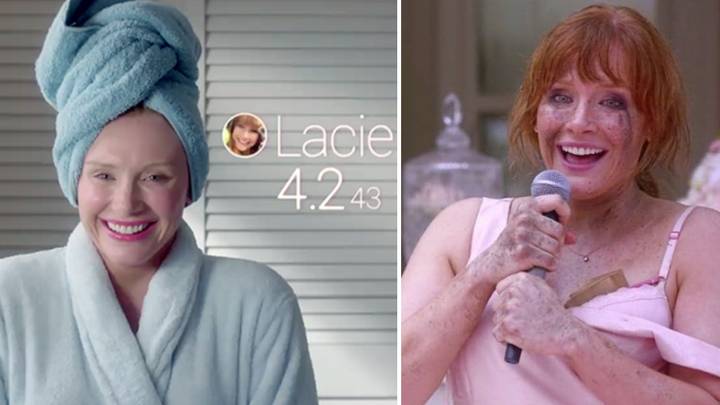
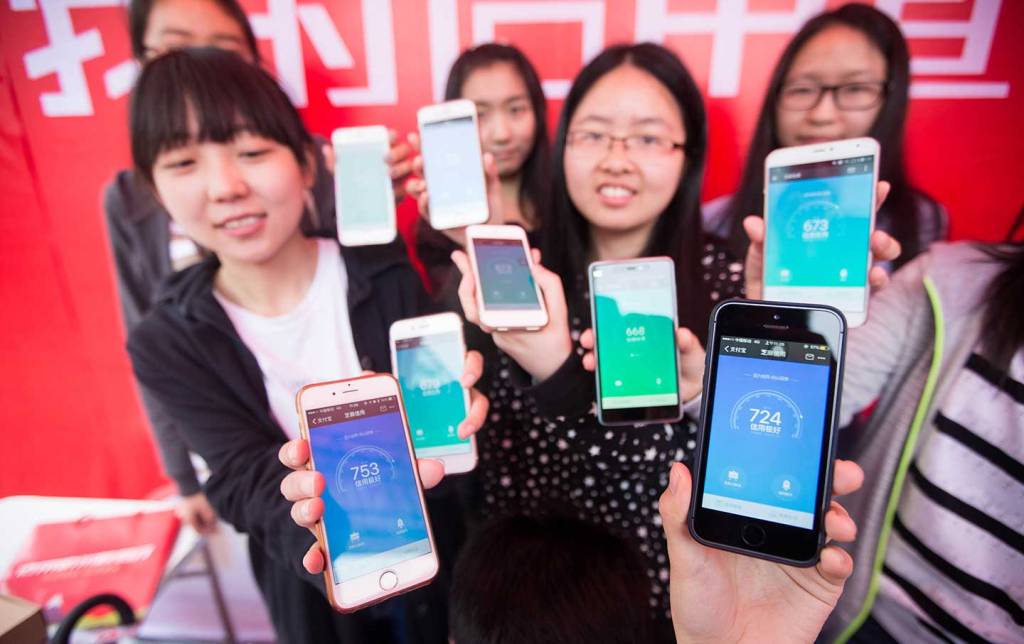
As demonstrated through the Black Mirror episode “NoseDive,” this episode demonstrates that possible upcoming reality of China’s current social credit system being implemented in Western societies. Therefore, this apparent social credit system possibility can be further analyzed in discussion with the role that social media will play in our future societies. China’s functioning social credit system can be compared to the Black Mirror episode in real life and the dystopian world of 1984 with a ‘Big Brother’ figure shadowing society (1). The implementation of a social credit score society has various implications and layers. For example, the function of Uber driver and passenger ratings can be associated with a type of social credit system, demonstrating that countries like the US and even Spain have aspects of this system (1). In China though, the social credit system extends to all realms of life, evaluating and quantifying all of one’s daily behaviors and actions into an encompassing score. As Social Media platforms continue to be more prevalent in our everyday life and social interactions, there is another layer to this social credit system discussion. This discussion poses these questions: How will an individual’s actions on Social Media influence his/her social credit scores? Will Social Media platforms be the driving factor for scores? How does the Black Mirror episode showcase an interesting perspective on social identities and this idea of the social credit system?
There are many aspects in our society that can likely be compared to China’s current social credit system today. With our increased Social Media usage and its role in establishing digital online identity, these platforms also initiate another aspect of this scoring system. In “NoseDive,” Lacie’s social score evolution and her persistence to improve her score throughout the episode demonstrates how important this ‘ranking’ is to her livelihood. In the realm of this episode, the social rank determines every aspect of life, from profession to relationships. The role that this scoring system plays in Lacie’s life is connected to the functionality of social media in our lives today. Our social media presence is linked to how we desire to be portrayed and understood in our real life interactions, and our online profile can even determine one’s professional trajectory. Comparatively, the Black Mirror episode’s ranking system perpetuates stereotypical unacquirable and perfect lifestyles, demonstrating quote-on-quote an ‘ideal’ social media profile filled with aesthetic picturesque and promotion of happiness (2). This episode critiques the superficial nature of social media and its extent to take over every aspect of life. This episode’s ranking apparatus promotes an elitist social normality in order to ensure stability and promote unrealistic standards, likewise to China’s implemented social credit system. Similarly in both China and the realm of Black Mirror’s “NoseDive,” quality of life is based on how well an individual ‘plays’ into the game, exhibiting the dangers of Social Media’s determination one’s way of living (2). Overall, “NoseDive” exposes the potential real-life implications of how far social media can be a determining factor in our lives, impacting every completed action in society.
China’s social credit system is an aspect of the country’s developing worldwide surveillance tactic, gathering information and following movements on every individual through on and offline presence. Western societies are appalled by this ‘horror-filled dystopia,’ but there seems to be operational similarities between this scoring system and the work behind Big Data. Without realizing, outlets like Google, Facebook, or Instagram are analyzing all online activities and forming individual profiles for every online user (3). Mainly used for marketing and advertising tactics, the monitoring of online interactions and storing this information in a database is similar to China’s surveilling nature of its social credit system (3). Our daily activities are being evaluated, from online shopping to tracking programs, following your every move. Although containing similar functionality, Big Data and China’s ranking system differ due to these programs implementation in our daily life. Although, with our increased usage and reliance of the Internet, we need to consider if we are heading toward a future where our online identity transcends and takes over our reality (3). I believe that “NoseDive” establishes this possible scoring system in our future throughout Western societies. It starts with rating restaurants, doctor appointments, or an Uber experience, but this social credit system continues to be an upcoming reality in some countries due to the overall dependence of the Internet and Social Media.
I never truly understand the extent of China’s social credit system and reading all of the articles about it truly does scare me. I believe that Western societies are closer to this ranking system than before realized. Social Media is taking over our lives, and our society cannot operate without it. Our online classes would not be sustainable or functioning if we did not have a mode to communicate online. Big Data is dominating our world and can fully have the capacity to rank users based on every action made online. Western societies have the means to implement this type of social credit system, and Big Data is surveillancing every action online without users realizing.
Works Cited
Kobie, Nicole. “The Complicated Truth about China’s Social Credit System.” WIRED, WIRED UK, 7 June 2019, www.wired.co.uk/article/china-social-credit-system-explained.
Fontaina, Jasmine. “Black Mirror: Nosedive Analysis.” Medium, Medium, 10 Dec. 2018, medium.com/@jfontaina/black-mirror-nosedive-analysis-1bc219e8bd13.
Botsman, Rachel. “Big Data Meets Big Brother as China Moves to Rate Its Citizens.” WIRED, WIRED UK, 21 Jan. 2019, http://www.wired.co.uk/article/chinese-government-social-credit-score-privacy-invasion.
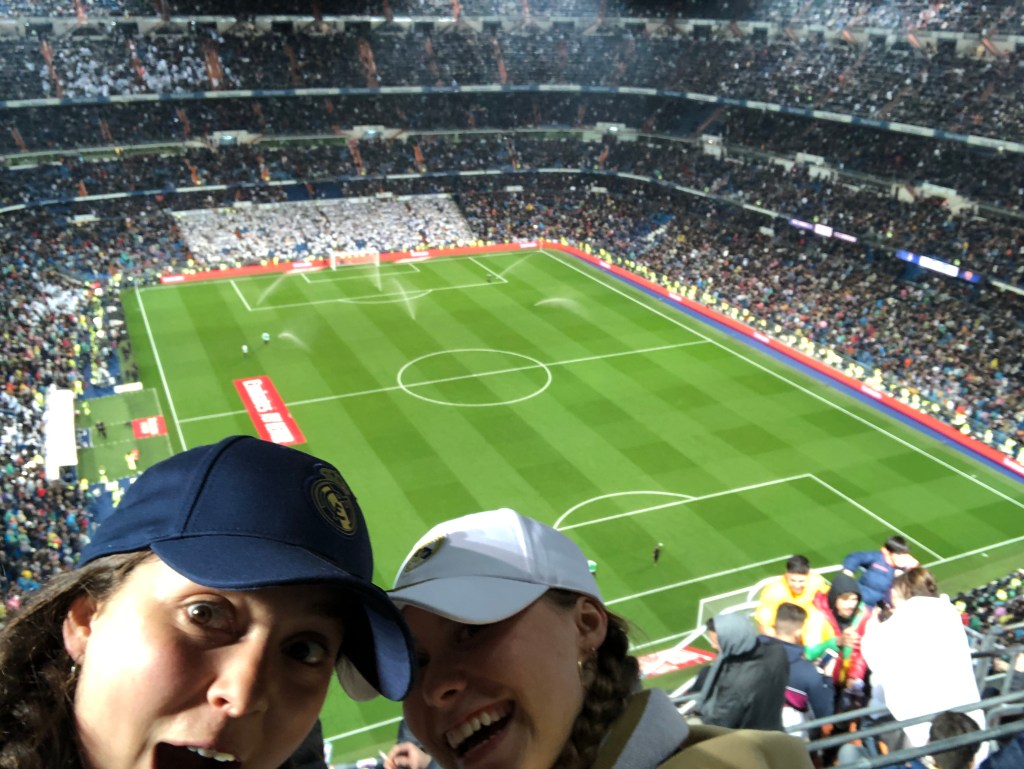
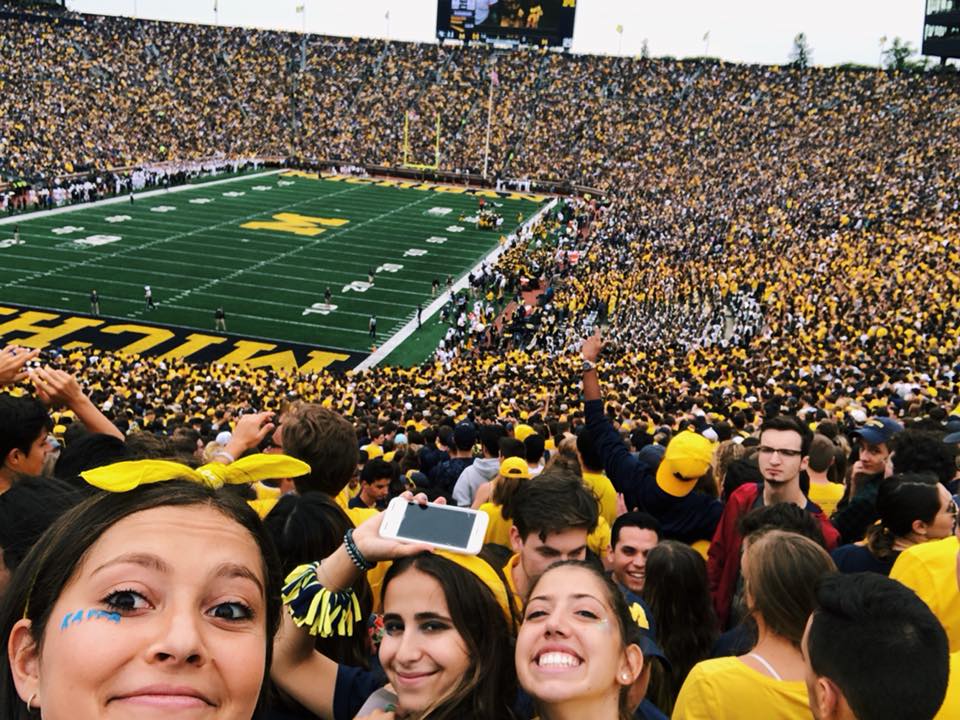
“Let me take a selfie!” “GUYS, SELFIE!” At any place or any time, it is beyond common to hear these phrases or see someone taking a selfie. As I am writing this blog post in a coffee shop right now, I have seen four selfies being taken by various individuals. The selfie has become a global phenomenon (1). The smartphone self-portrait, also known as a ‘selfie,’ has become a vehicle to express our desired digital identity, allowing online users to explicitly construct his/her online self. The selfie is all about getting that perfect angle, lighting, facial expression, and filter, and then posting it online with a single tap (1). In reality, selfies do not represent an individual’s true form. Selfies continuously play a role in our online interactivity on Social Media platforms, and these pictures have the ability to validate an individual’s life. There are both positives and negatives to selfie-taking, but personally I believe that the pressing importance of taking the ‘perfect selfie’ demonstrates the constant shadow of narcissism in our culture and the inherent problem of authenticity online (2). The increased usage of Social Media platforms has caused pressure for users to post selfies and pictures that represent a perfect lifestyle. In other words, users post pictures and selfies to brag about vacations, food, or to only demonstrate the picturesque moments in life. Social Media initiates this want to post this polished lifestyle, and the increased presence of selfies has made it harder to combat these issues, rather further initiating a superficial social media presence. Selfies do showcase an essence of self-expression and creativity, but overall demonstrate the problem with authenticity and realness in our digital identity (2).
When an user posts a selfie or picture on a Social Media platform, the account is filled with heart-shaped ‘likes’ and comments (1). A picture is legitimately ‘liked’ by other users. This procedure of having the amount of likes and love for a post quantified in itself is narcissistic and problematic. Recently, Instagram has restricted the allowance for other users to contain the ability to see other users likes, but the individual poster can still see how much likes a post received. This whole concept creates a structure in social media platforms that prioritizes the amount of likes a post receives. Therefore, this perpetuates a certain lifestyle and aesthetic that will produce the most amount of validation, which is through a plethora of likes. This problematic concept of the selfie and its corresponding authentication issue has been explained by Jarry Lee in her article entitled “What Does It Cost To Be Big On Instagram” (2). In her article, he discusses how Instagram and other Social Media platforms perpetuate a issue of authenticity in our daily lives, showcasing a skewed version of our reality (2). Lee uses influencers as a case study, demonstrating the hard lifestyle these users have in order to broadcast this apparent lifestyle (2). Through different interviews of influencers, Lee provides a different perspective on the actual life of becoming an influencer, discussing the economic, psychological, and physical hardships that are associated with making it in this industry (2). Although becoming an ‘it’ influencer can be rewarding, the road associated with this position is not at all easy. The increased importance of Insta-fame and presence of influencers have initiated the conversation about the authenticity on the Web explicitly in regards to selfie-taking. In my opinion, selfies perpetuate a fake reality and further showcase lifestyles that are not actually attainable.
Not only do posting selfies launch the discussion of authenticity in our online identities, but also selfies can be deemed as an expression of personal creativity. In other words, the posting of selfies can be presumed as a positive, being a platform for posters to be creative, be opinionated, be political, and even be revolutionary. Users post selfies for individual reasons, so the purpose of a selfie can completely be positive. Not all selfies are narcissistic or problematic (3). Additionally, Julia Malacoff offers an alternative opinion on selfie-taking, commenting that selfies may actually boost individual confidence “if you do them right” (4). A study was done at the University of California, Irvine with a group of college students, and it concluded that selfie-taking may help individual mental health and help users connect with others. Rather, the smartphone is not a “personal isolation device,” but one that promotes ‘positive computing’ (4). This study offers an alternative opinion about selfies, arguing that this type of picture-taking provides positive energy and smiles (4).
Overall, the discussion of selfies is problematic and can go both ways. Personally, I believe that selfies can be positive, but only in a very specific nature. Selfies have the power and ability to promote a lavish and unattainable lifestyle that can deplete and negatively affect the mental health of users. I believe that the increase of selfies on Social Media platforms has negatively affected my own mental health and my personal confidence. I have tried to decrease my personal Social Media use because I realize its impact on my own mental and physical health. Since taking this course, I did not understand how much Social Media has negatively impacted my life, and I have tried to make an effort to decrease my use.
WORKS CITED
3. Saltz, Jerry. “Art at Arm’s Length: A History of the Selfie.” Vulture, 26 Jan. 2014, http://www.vulture.com/2014/01/history-of-the-selfie.html.
4. Malacoff, Julia. “The #1 Thing You Should Do In Every Selfie.” Shape, http://www.shape.com/lifestyle/mind-and-body/why-selfies-might-not-be-such-bad-thing-after-all.


** THE HARLEM SHAKE & “RENEGADE” DANCE CHALLENGE**
When strolling through the Social Web, whether realizing it or not, you have encountered some from a meme. Memes are everywhere, taking over all social media platforms and becoming a vehicle for users to participate online and interact with one another. Memes not only can be identified as a popular image with a comical caption, but also the memetic culture has expanded to include viral dance challenges and various internet trends. A term coined by Richard Dawkins, a “meme” contains three distinct characteristics as a viral phenomenon and can be classified as a prime example of the expressive nature and capitalistic power of user-generated content online. These three characteristics are replicability, fecundity, and longevity and all of these attributes are present within a popular and successful meme. By definition, replicability is a meme’s ability to “hook” an online user and force him/her to participate by generating their own version of the meme. Then, the action of modifying and transmitting a meme from person to another is fecundity. The last memetic characteristic is longevity, in which a meme has the ability to linger or stay current in one’s memory. The purpose of memes differ based on their content and message, causing memes to be examples of distinct perspectives as studied in our course. The characterization of being a “meme” encompasses a wide range of media, but memetic culture is simply taking over the Internet one step at a time.
In accordance with the viral phenomenon of The Harlem Shake, this specific meme demonstrates McDowell’s perspective regarding memes expansive ability to monetize user-generated content. In his case study entitled “Monetizing a Meme: A Case Study on The Harlem Shake,” McDowell provides an extensive analysis of the Harlem Shake meme, how it became so immensely successful, and how this challenge has allowed for individuals to generate revenue. Characterized as an “internet dance craze,” the Harlem Shake became a pop culture phenomenon, evoking immense monetary success for the rights owners of the musical accompaniment (1). At its core, The Harlem Shake meme is simply a video of individuals having a dance party full of pure craziness as the track hits the lyrics, “do the Harlem Shake” (1). Due to this meme’s effortless ability to be replicated, its pure fun nature, and its catchy and memorable beat, the Harlem Shake dance challenge successfully spread and continuously was reproduced around the world. Therefore, this meme included Dawkins three memetic characteristics: replicability, fecundity, and longevity. This meme still appears today, causing individuals, like myself, to have an immediate foolish and crazy reaction when the song is played anywhere. The apparent popularization of the meme allowed for Baauer and Mad Decent, the composers of the musical accompaniment, to earn tons of revenue and profit from the track (1). The Harlem Shake meme provoked rising streams on Youtube and online streaming services, an increase in sales on platforms like iTunes, and led to subsequent stardom for the composers (1). The combination of streaming sales and Youtube’s copyright profit-sharing system of Content ID monetized The Harlem Shake meme. The question of copyright infringement though and authorship has to be considered when these memes go viral, specifically in regards to the monetary benefits for this phenomenon.
The popularization and monetization of the Harlem Shake meme can be compared to the present “Renegade” dance challenge that appears on a newly viral social media platform TikTok. Originally choreographed by teen Jalaiah Harmon, this meme has dominated the internet throughout the Social Web. Harmon’s creation got remade, modified, and reposted, so that her own authorship was lost and questioned. Therefore, Harmon desired credit for the viral nature of “Renegade’s” dance challenge, but others took ownership and capitalized on the dance’s success (2). The song behind the dance challenge is entitled “Lottery (Renegade)” by K Camp (2). Due to this popularization, K Camp has received increased stardom and revenue through downloads and streams. On the other hand, a TikTok star, Charli D’Amelio, has been deemed the originator for this dance challenge. Therefore, K Camp and Charli D’Amelio have been capitalizing on Harmon’s dance, profiting from her user-generated content (3). As discussed in the New York Times article, “virality means income,” relating back to the McDowell’s perspective that memes have the expressive capacity to monetize user-generated content (3 &1). Charli D’ Amelio realized the viral potential of Harmon’s dance, copied it, and posted it on her TikTok account. Due to “Renegade’s” characteristics of replicability, fecundity, and longevity, Harmon’s dance became a viral phenomenon. This dance challenge helped Charli D’ Amelio receive a boost in followers, opened the door to brand deals, and media opportunities (3). The “Renegade” meme continues to be reproduced and transmitted, leaving the creator, Jalaiah Harmon, in the dust.
This discussion of memes like The Harlem Shake and “Renegade” not only showcases memes potential monetary capacity, but also raise questions regarding copyright and ownership. Is it right to make profit on other people’s own creations? Should Baauer be the sole profiter of this meme’s economic success? Should Charli D’Amelio make profit over Jaliah Harmon’s original dance? Songs like “The Harlem Shake” and “Lottery (Renegade)” have become famous due to the memes global expansion and success. Therefore, Baauer and Charli D’Amelio did not author these memes, rather it was a third-party like Filthy Frank or Jalaiah Harmon. These memes are an “authorless collective creation,” in which amateurs are attempting to create a “semi-professional music video” as a way to participate in popular culture today (1). In other words, “dances are virtually impossible to legally claim as one’s own,” allowing for a few individuals to profit from the work of many (3). This debate over copyright infringement, the monetization of other’s user-generated content and labor connects to the problem with digital sharecropping. Simply, digital sharecropping relates to the main idea that meme producers do not realize the extent to which others are profiting off of their content. In other words, the “sharecroppers are generally happy because their interest lies in self-expression or socializing, not in making money” (4). The Social Web is a monopoly with digital sharecropping are the forefront for outlets like Youtube to capitalize on “sharecroppers” participation and user-generated content.
WORKS CITED

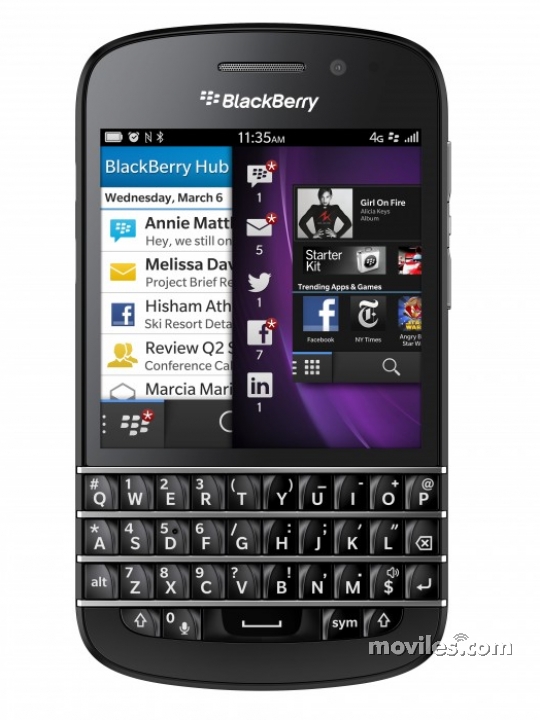
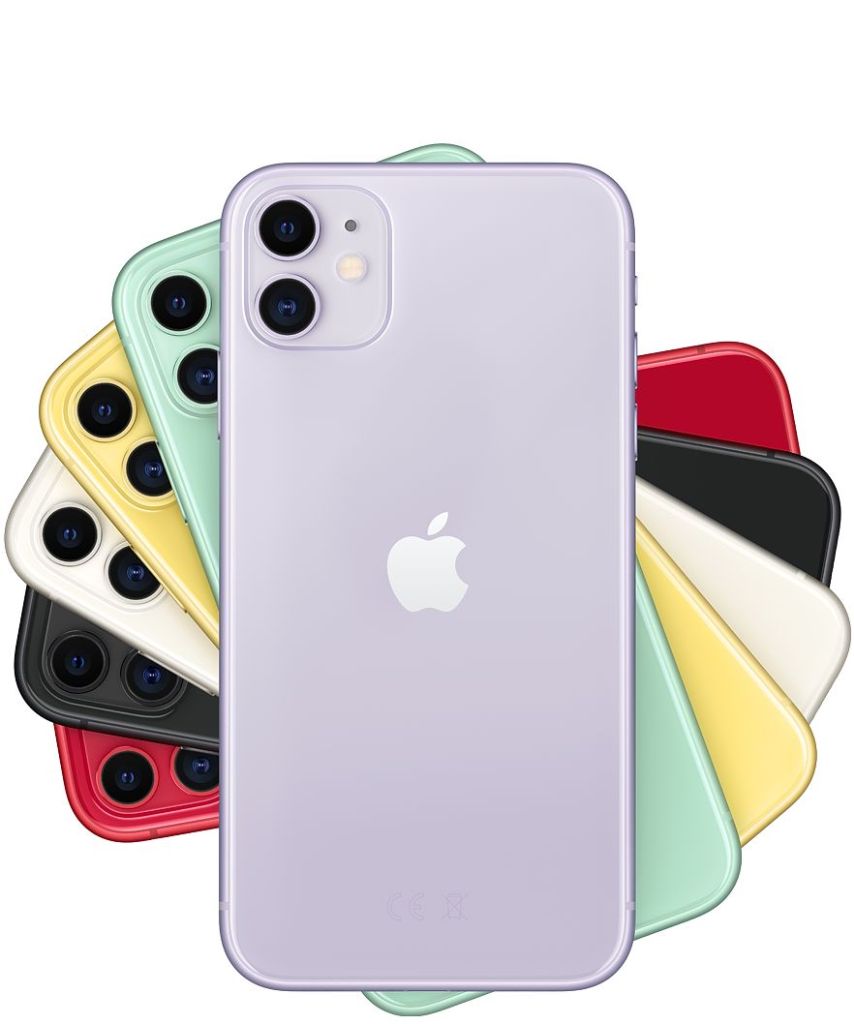
MY CELL PHONE HISTORY:


DEVICES:
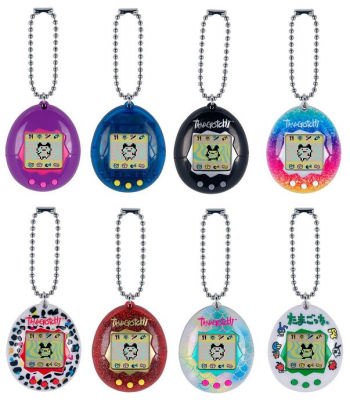
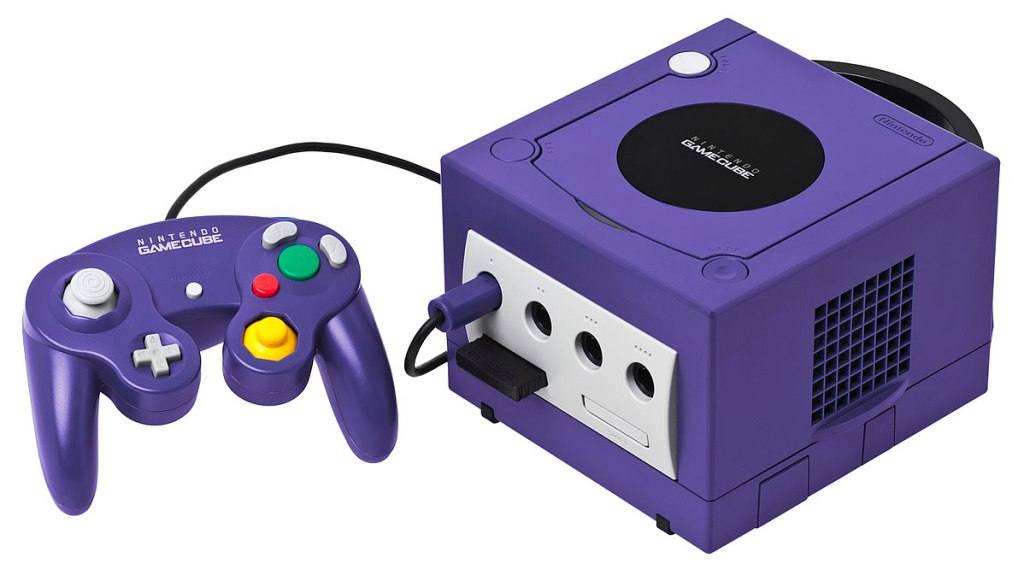



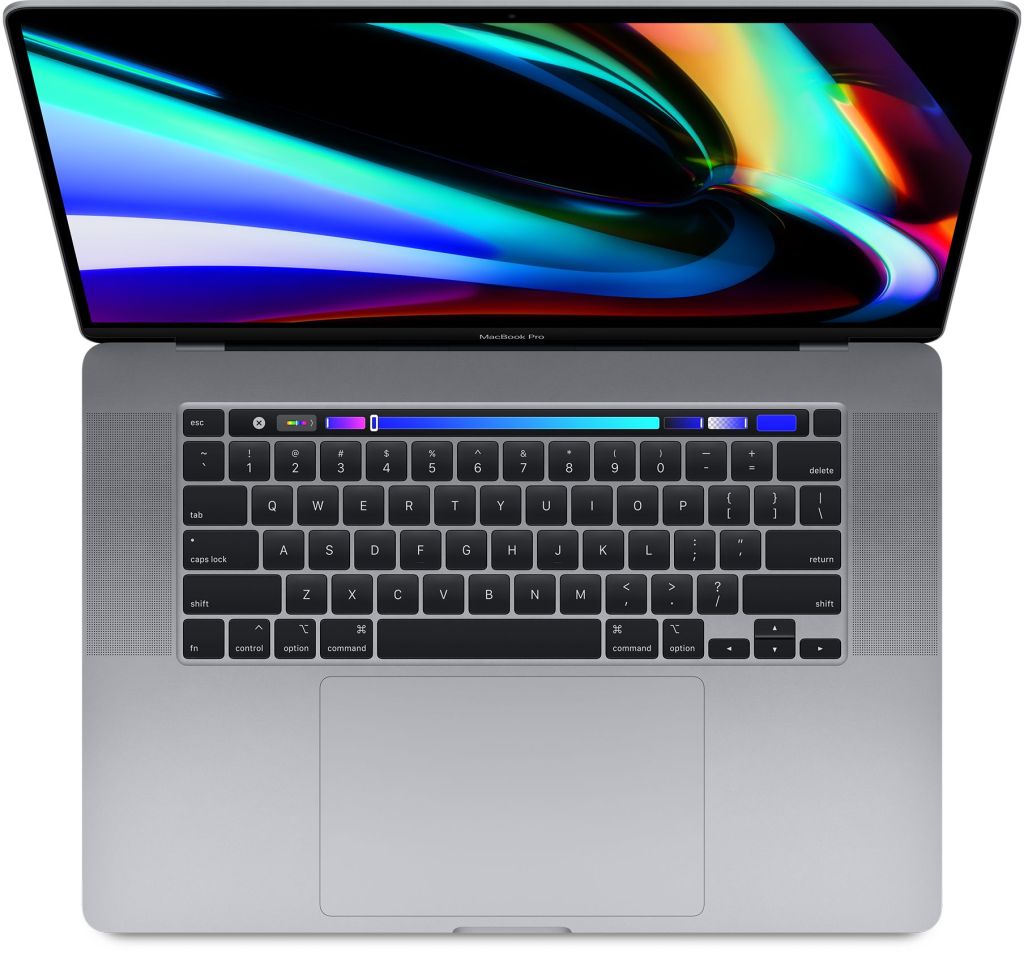
APPLICATIONS/ WEBSITES:
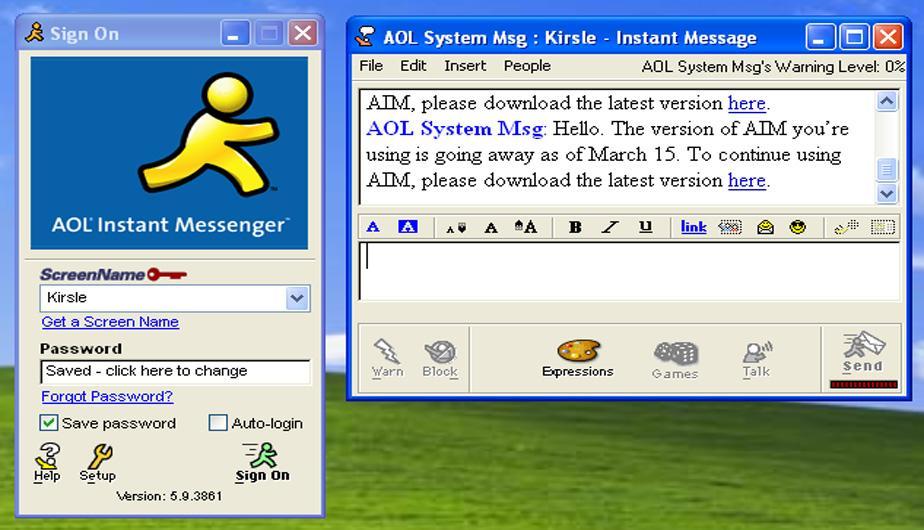





REFLECTION:
Overall, I believe that I am increasingly reliant on all of my technological devices, and I have been working on decreasing my social media use. Today I own around four personal devices, and I believe that I have around twenty online profiles, ranging from social media platforms to email accounts. My daily phone screen time is very high, usually being around six hours per day, so I had placed limits on my application use for platforms like Instagram and Snapchat. Additionally, I probably spend about two to three hours per day on my computer, doing work, responding to emails, listening to music, and streaming the Web. In the future, I wish to decline my social media use all together, spend less time online, and take moments during to day to focus on being disconnected from the Internet. Due to this class, I have learned more about the possible violation of my privacy rights online, so I have been more aware when clicking accept to cookies on websites. I also have become more aware to the terms and conditions of websites due to the information I have learned in this class. I wish to have more privacy and an opt-in system, controlling all of my virtual interactions online. I hope you enjoy my digital biography!
My name is Taylor Silverstein, and I am currently a Junior at the University of Michigan. My major is Film, Television, Video, and Media, and my minor is Performing Arts Management and Entrepreneurship. I am from Los Angeles, California, and I love music, soccer, tennis, and watching movies. I have visited Barcelona previously, so I felt at home right away. Once I got my routine and started classes, I finally feel settled here and love every part of Barcelona so far! I use Social Media outlets everyday, specifically Youtube, Instagram, and Snapchat.
Rabbit, rabbit.
— Steve Carell (@SteveCarell) January 1, 2020
View this post on InstagramA post shared by Hailey Baldwin Bieber (@haileybieber) on

“Creativity Is Intelligence Having Fun.”
Albert Einstein
Have a WordPress.com account? Log in now.

