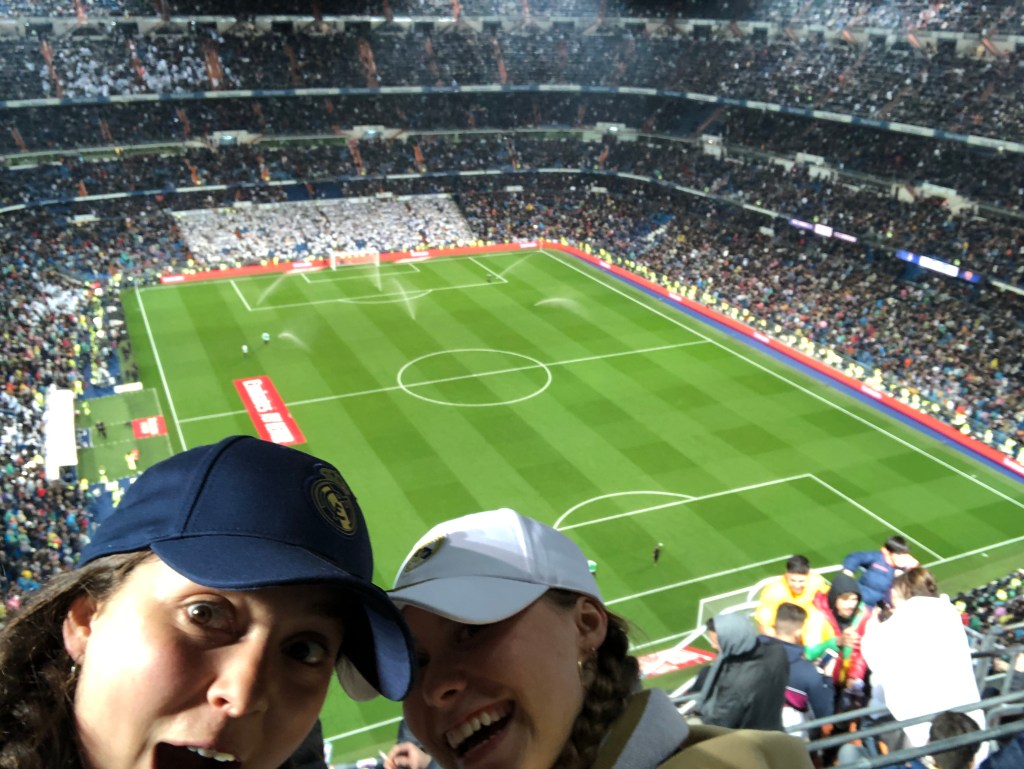
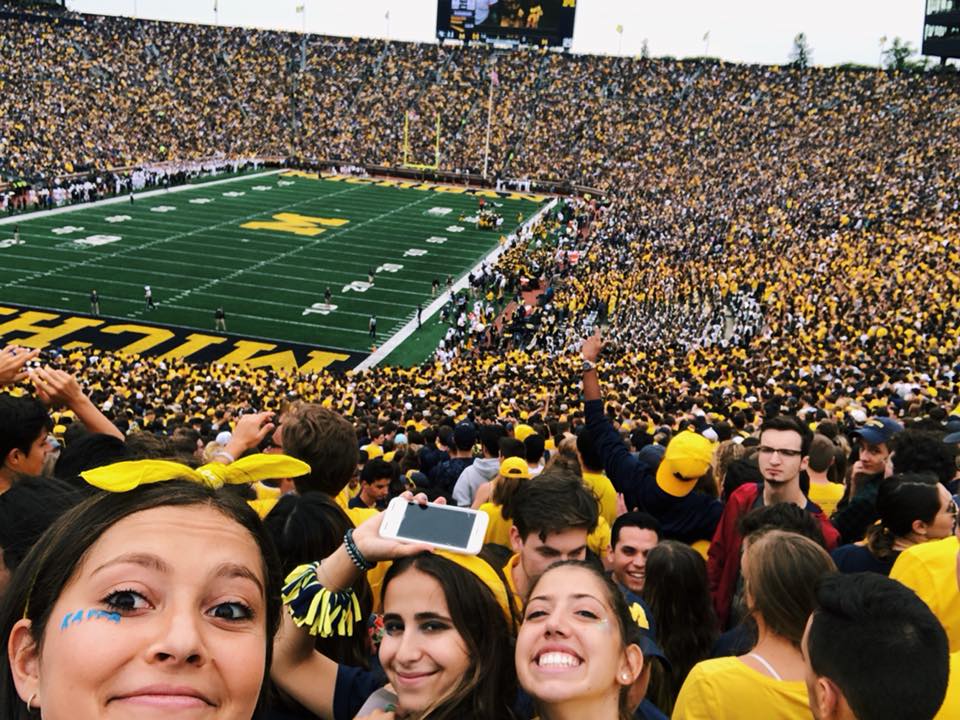
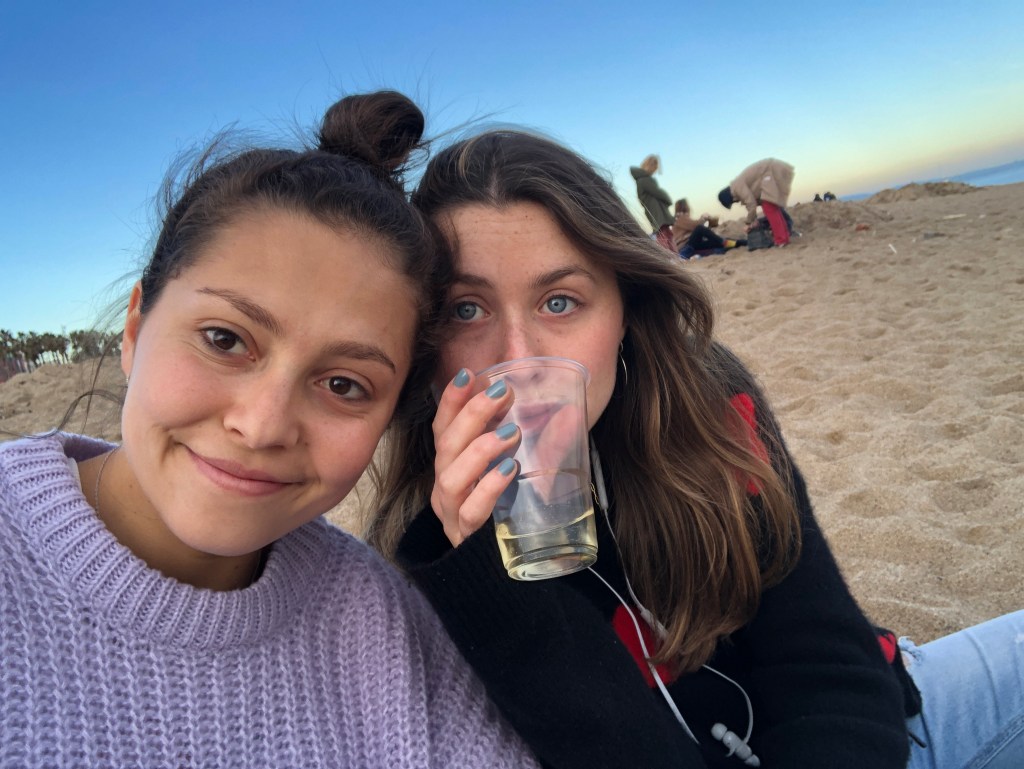
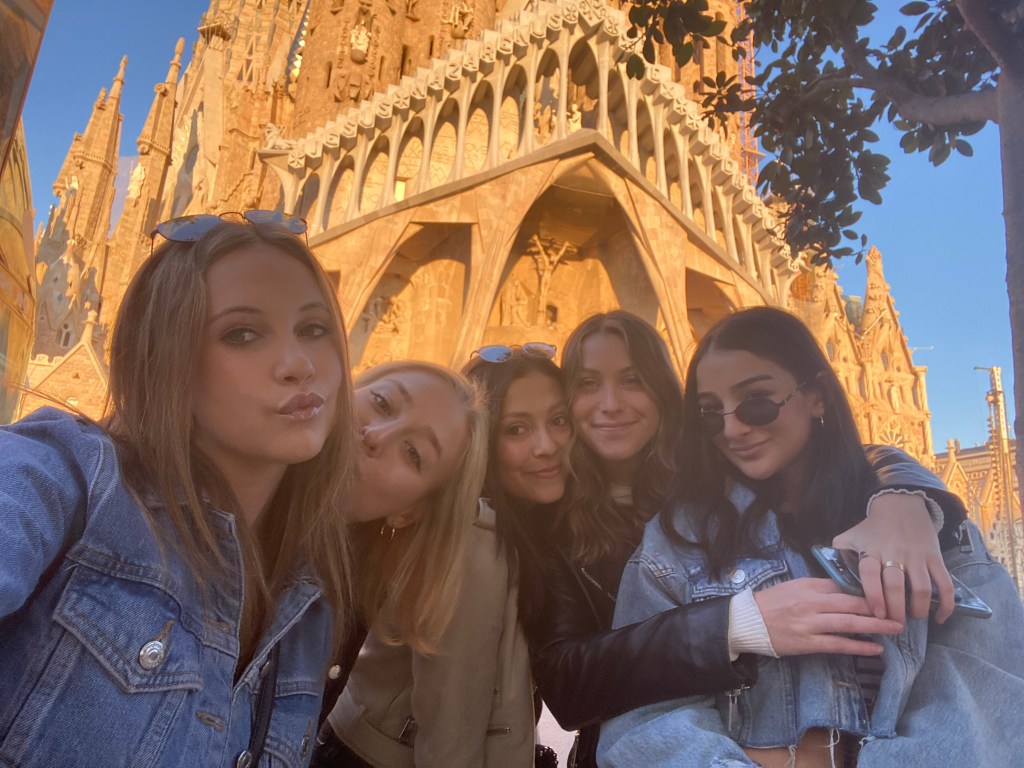
“Let me take a selfie!” “GUYS, SELFIE!” At any place or any time, it is beyond common to hear these phrases or see someone taking a selfie. As I am writing this blog post in a coffee shop right now, I have seen four selfies being taken by various individuals. The selfie has become a global phenomenon (1). The smartphone self-portrait, also known as a ‘selfie,’ has become a vehicle to express our desired digital identity, allowing online users to explicitly construct his/her online self. The selfie is all about getting that perfect angle, lighting, facial expression, and filter, and then posting it online with a single tap (1). In reality, selfies do not represent an individual’s true form. Selfies continuously play a role in our online interactivity on Social Media platforms, and these pictures have the ability to validate an individual’s life. There are both positives and negatives to selfie-taking, but personally I believe that the pressing importance of taking the ‘perfect selfie’ demonstrates the constant shadow of narcissism in our culture and the inherent problem of authenticity online (2). The increased usage of Social Media platforms has caused pressure for users to post selfies and pictures that represent a perfect lifestyle. In other words, users post pictures and selfies to brag about vacations, food, or to only demonstrate the picturesque moments in life. Social Media initiates this want to post this polished lifestyle, and the increased presence of selfies has made it harder to combat these issues, rather further initiating a superficial social media presence. Selfies do showcase an essence of self-expression and creativity, but overall demonstrate the problem with authenticity and realness in our digital identity (2).
When an user posts a selfie or picture on a Social Media platform, the account is filled with heart-shaped ‘likes’ and comments (1). A picture is legitimately ‘liked’ by other users. This procedure of having the amount of likes and love for a post quantified in itself is narcissistic and problematic. Recently, Instagram has restricted the allowance for other users to contain the ability to see other users likes, but the individual poster can still see how much likes a post received. This whole concept creates a structure in social media platforms that prioritizes the amount of likes a post receives. Therefore, this perpetuates a certain lifestyle and aesthetic that will produce the most amount of validation, which is through a plethora of likes. This problematic concept of the selfie and its corresponding authentication issue has been explained by Jarry Lee in her article entitled “What Does It Cost To Be Big On Instagram” (2). In her article, he discusses how Instagram and other Social Media platforms perpetuate a issue of authenticity in our daily lives, showcasing a skewed version of our reality (2). Lee uses influencers as a case study, demonstrating the hard lifestyle these users have in order to broadcast this apparent lifestyle (2). Through different interviews of influencers, Lee provides a different perspective on the actual life of becoming an influencer, discussing the economic, psychological, and physical hardships that are associated with making it in this industry (2). Although becoming an ‘it’ influencer can be rewarding, the road associated with this position is not at all easy. The increased importance of Insta-fame and presence of influencers have initiated the conversation about the authenticity on the Web explicitly in regards to selfie-taking. In my opinion, selfies perpetuate a fake reality and further showcase lifestyles that are not actually attainable.
Not only do posting selfies launch the discussion of authenticity in our online identities, but also selfies can be deemed as an expression of personal creativity. In other words, the posting of selfies can be presumed as a positive, being a platform for posters to be creative, be opinionated, be political, and even be revolutionary. Users post selfies for individual reasons, so the purpose of a selfie can completely be positive. Not all selfies are narcissistic or problematic (3). Additionally, Julia Malacoff offers an alternative opinion on selfie-taking, commenting that selfies may actually boost individual confidence “if you do them right” (4). A study was done at the University of California, Irvine with a group of college students, and it concluded that selfie-taking may help individual mental health and help users connect with others. Rather, the smartphone is not a “personal isolation device,” but one that promotes ‘positive computing’ (4). This study offers an alternative opinion about selfies, arguing that this type of picture-taking provides positive energy and smiles (4).
Overall, the discussion of selfies is problematic and can go both ways. Personally, I believe that selfies can be positive, but only in a very specific nature. Selfies have the power and ability to promote a lavish and unattainable lifestyle that can deplete and negatively affect the mental health of users. I believe that the increase of selfies on Social Media platforms has negatively affected my own mental health and my personal confidence. I have tried to decrease my personal Social Media use because I realize its impact on my own mental and physical health. Since taking this course, I did not understand how much Social Media has negatively impacted my life, and I have tried to make an effort to decrease my use.
WORKS CITED
- Day, Elizabeth. “How Selfies Became a Global Phenomenon.” The Guardian, Guardian News and Media, 13 July 2013, http://www.theguardian.com/technology/2013/jul/14/how-selfies-became-a-global-phenomenon.
- Lee, Jarry. “What Does It Cost To Be Big On Instagram?” BuzzFeed News, BuzzFeed News, 9 Jan. 2019, www.buzzfeednews.com/article/jarrylee/what-does-it-cost-to-be-big-on-instagram.
3. Saltz, Jerry. “Art at Arm’s Length: A History of the Selfie.” Vulture, 26 Jan. 2014, http://www.vulture.com/2014/01/history-of-the-selfie.html.
4. Malacoff, Julia. “The #1 Thing You Should Do In Every Selfie.” Shape, http://www.shape.com/lifestyle/mind-and-body/why-selfies-might-not-be-such-bad-thing-after-all.